How long and how often do I train my dog?
We are asked this question all the time. All. The. Time.
And honestly? It’s a great one.
This is why we call our training “Brain Work And Behavior Games” - because games are something you can play any time, throughout the day, with no pressure. You can focus on the fun with your dog, not the length of time.
But Brain Work Games go beyond tug, fetch and simple scatter feeding. They are structured to build your dogs emotional fluency and ability to regulate their arousal levels.
You don’t need marathon training sessions to make real progress. In fact, the best results often come from short, playful bursts of brain work woven into your day.
Game-based training turns learning into connection—no stopwatch required. A few focused minutes here and there can do more for your dog’s brain and behavior than an hour of repetition ever will.
How Long?
Just 2–3 minutes at a time is perfect.
Long enough to teach the brain something new, short enough to keep both of you having fun.
How Often?
A couple of short sessions a day—or whenever real life gives you a moment.
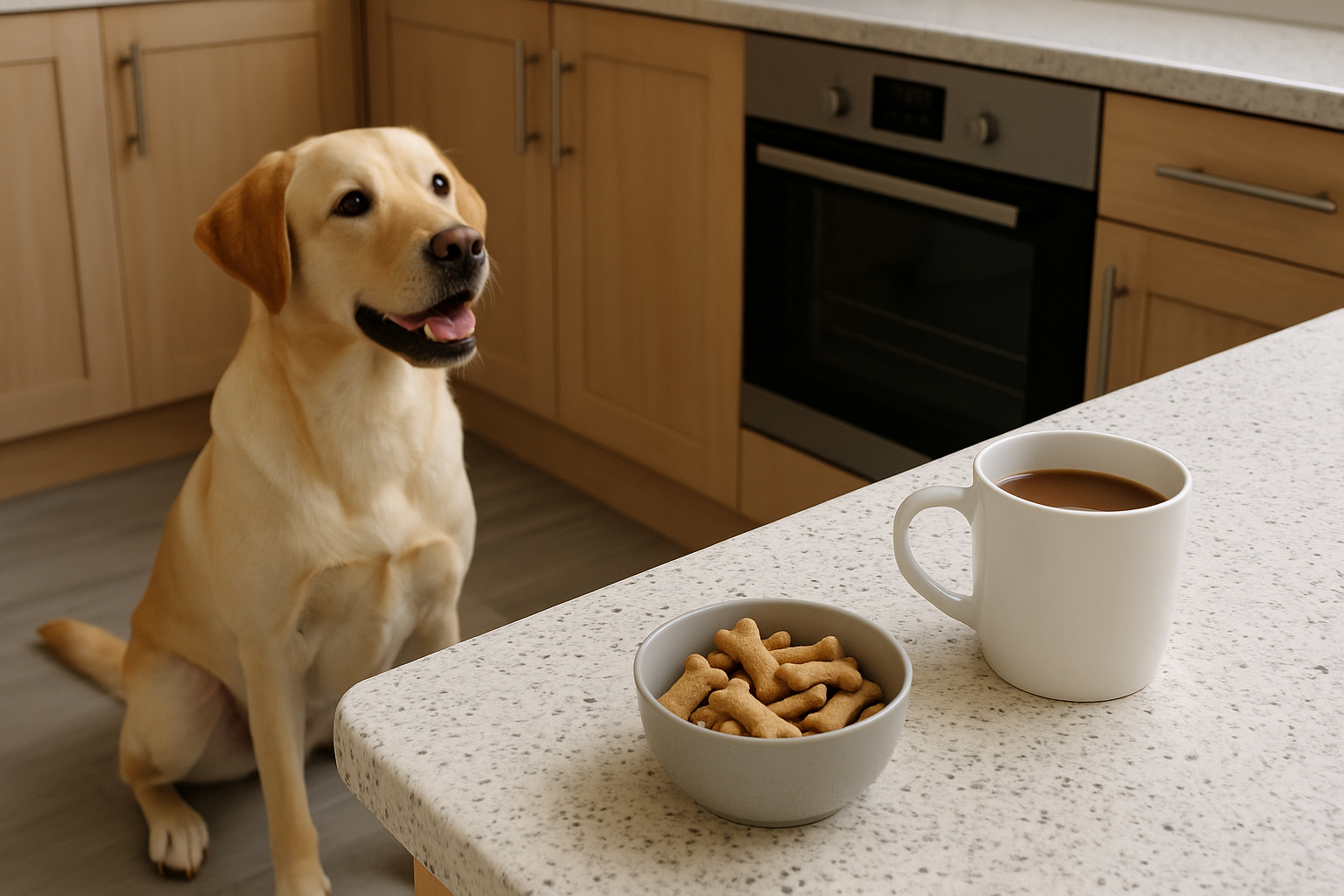
☕️ Waiting for your coffee to brew? Play a quick game.
📺 Commercial break during your favorite show? Play a quick game.
🛒 Unpacking groceries? Yep—play a game.
That’s it. You’ll be amazed how quickly your dog starts to understand, focus, and respond.
“Focus on the fun, not the time—it’s the fastest way to a smarter, calmer dog”
A Tip for New Gamers
If you’re just starting out, jot down a few reminders or create a quick “game schedule.” Pair play with moments that already happen—like mealtime or morning routines.
If your dog tends to get a bit chaotic around meal time, play a few games before feeding. You’ll meet their need for work, fun, and food all at once—a powerful combo for calmer behavior.
Good-Bye Bowl
We highly recommend using your dog’s daily food allowance as rewards throughout the day instead of one big meal. This accomplishes a few things.
It helps slow down fast eaters.
It gives larger dogs a safer, more balanced way to digest meals—reducing risks like bloat and improving gut health.
It helps your dog learn to work for a reward.
The Big Picture
“Training” isn’t about clocking hours of drills.
It’s about building connection through brain work and behavior.
A few minutes of focused fun every day can transform your relationship—and your results.
So, stop worrying about how long to train.
Start thinking about how often you can play.
Because when learning feels like play, everybody wins.