Selective Reactivity in Dogs
Why this dog, and not that dog,
can trigger a reaction.
You head out for what should be a calm walk. Most days, your dog does fine. Then suddenly, one dog, one person, one oddly timed moment, and your dog completely loses it. Barking. Lunging. Absolutely no connection or focus on you.
It can feel personal!
But it’s not a flaw in your dog.
That’s selective reactivity.
First, what do we actually mean by “reactivity”?
“Reactivity” is a word the dog training and behavior world uses a lot. Sometimes too much.
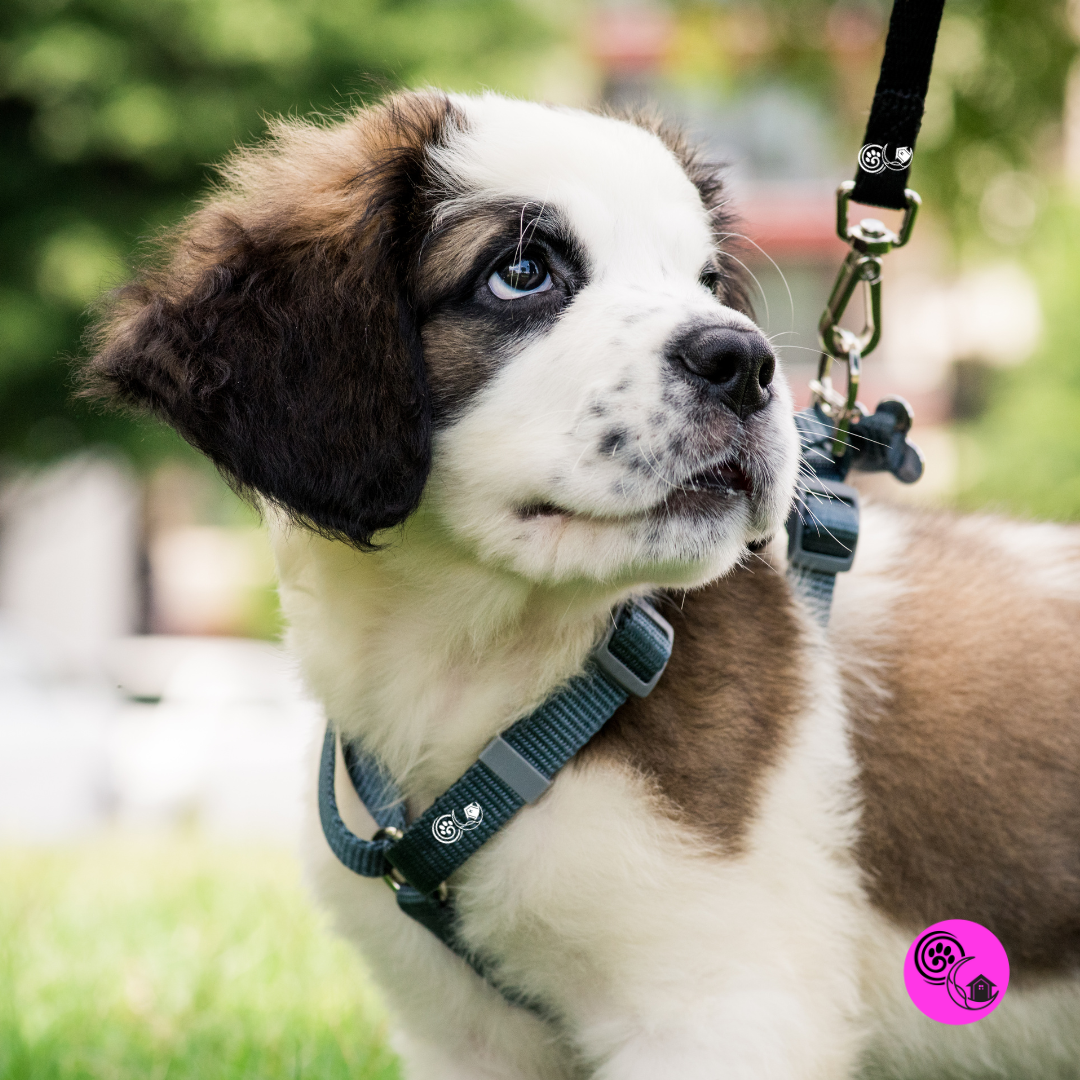
Not every response is reactive. Dogs are supposed to notice their environment. Looking, orienting, pausing, or briefly alerting is normal response behavior, not a reactivity problem.
Reactivity is what happens when a response escalates past a dog’s ability to stay regulated.
Here’s where it gets tricky. Once a dog has a history of reacting, it’s easy for all of us to start expecting it. And expectation changes behavior.
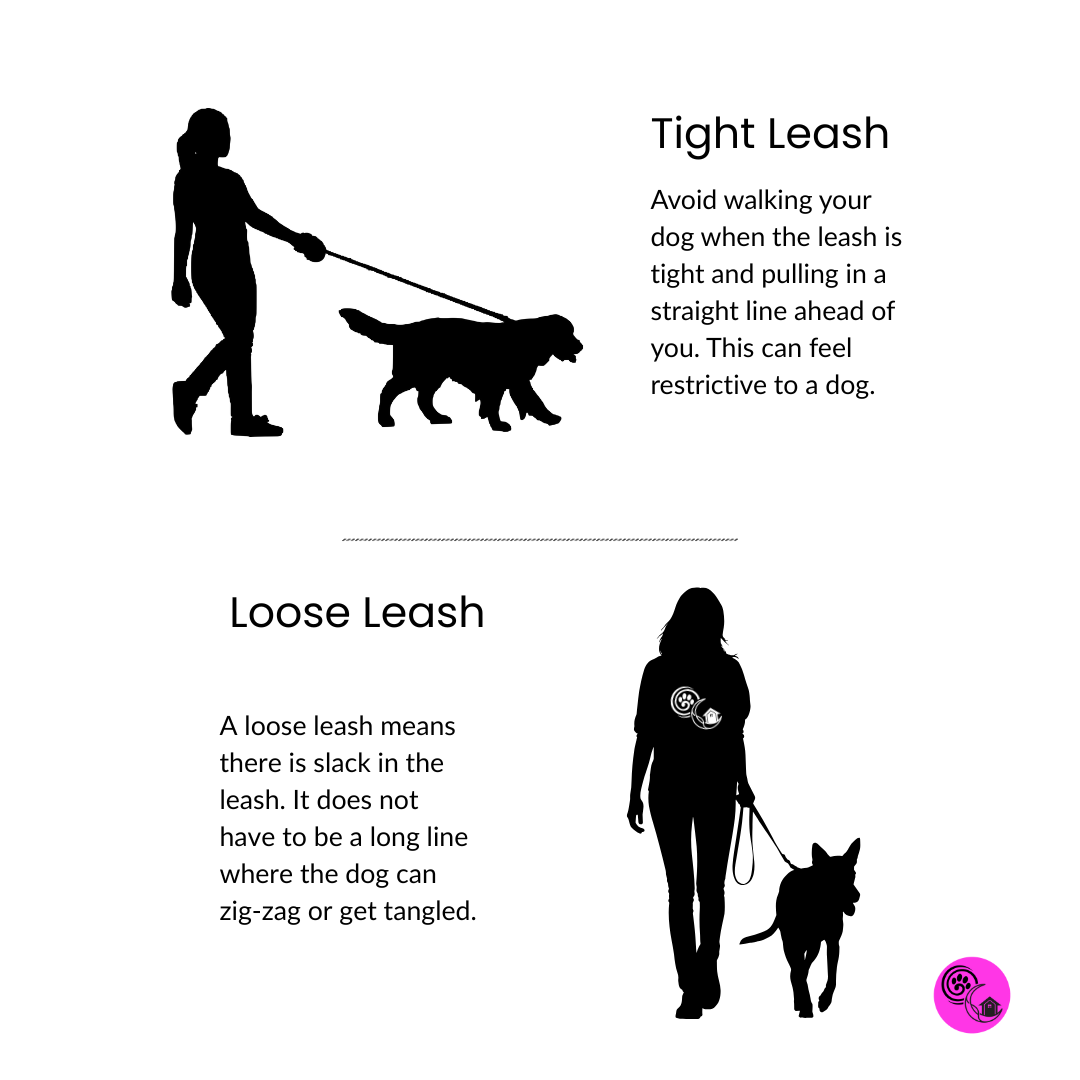
We may shorten the leash. Our bodies may tense. We can brace without meaning to. That’s not wrong, it’s human!
And…Dogs notice this. A tighter leash or a sudden shift can signal, something’s about to happen. So your dog gets more alert too. Now both ends of the leash are responding to a situation that hasn’t happened yet.
This isn’t about blame. It’s about awareness.
Selective reactivity usually starts long before the explosion. Learning to notice that early response, in your dog and in yourself, gives you more options before things tip over.
What selective reactivity actually means
Selective reactivity describes dogs who react strongly in specific situations, but not all the time. This actually describes most reactive states.
Most dogs aren’t constantly overwhelmed. In fact, they often look “totally fine” until something tips them over the edge. It’s their emotional bucket quietly filling.
Common patterns include:
Reacting to some dogs but not others
Struggling only in tight spaces, busy areas, or low-light conditions
Reacting to specific people (hats, beards, kids, fast movers)
Holding it together… until their coping skills run out
This matters because selective reactivity is often mislabeled as stubbornness, dominance, or “random behavior.” It’s none of those.
It’s a mismatch between the environment and the dog’s current skills.
Reactivity is about arousal, not intent
Reactive behavior looks intense, but it’s driven by nervous system overload, not a desire to cause harm.
When a dog reacts, their brain is no longer in learning mode. Thinking shuts down and reflexive movement takes over. Your dog isn’t choosing to misbehave. They’re trying to cope.
Most selectively reactive dogs fall into one or more of these categories:
Under-skilled for the situation
Overexposed too quickly
Internally conflicted (wanting to approach and avoid at the same time)
Emotionally fatigued from cumulative stress
Overstimulated responses can become more generalized over time and may escalate into aggression if ignored. But the solution isn’t force, control, or “correcting the outburst.” That just adds pressure to an already overloaded system.
Why avoidance isn’t failure
One of the smartest tools you have while working through selective reactivity is temporary avoidance.
That doesn’t mean hiding forever.
It means interrupting the rehearsal of reactive behavior while you build better skills.
Avoidance can look like:
Walking at quieter times
Choosing wider paths
Creating distance before your dog tips over
Skipping environments your dog isn’t ready for yet
Practice makes patterns.
If your dog keeps rehearsing explosive reactions, that pathway gets stronger. Calm reps matter just as much as training reps, and distance is one of the easiest ways to create calm.
Advocacy is part of training
Your dog does not need to greet every dog or tolerate attention from every human or dog. That idea is cultural, not biological.
Dogs do better when:
Their space is respected
They have predictable exits
Their human steps in early instead of apologizing later
Advocacy sounds and looks like:
“We’re training. Please give us space.”
Stepping between your dog and a looming stranger
Moving away before your dog has to ask louder
Depending on your own personality and culture, advocating for your dog can feel uncomfortable. But if you don’t advocate for your dog, they will eventually do it themselves. And they won’t be nearly as subtle about it.
Brain work changes the game
Lasting change doesn’t come from suppressing reactions. It comes from teaching your dog how to process the world differently.
That’s where brain work matters.
Effective behavior change focuses on:
Lowering baseline arousal
Building reliable orientation back to the handler
Teaching movement patterns that create clean exits
Gradually increasing challenge without flooding
This is about expanding your dog’s capacity to stay regulated in the presence of triggers, not “fixing” the trigger itself.
Counter-conditioning, done right
Food can help in rewarding your dog for the behavior you want to see. But your timing, maintaining distance, and your dog’s emotional state matter more than the treat itself.
Counter-conditioning works when:
The trigger appears before the reaction (rather than at the same time)
Your dog is under threshold
You reward orientation and recovery, not endurance
Distance is treated as a training tool, not a failure
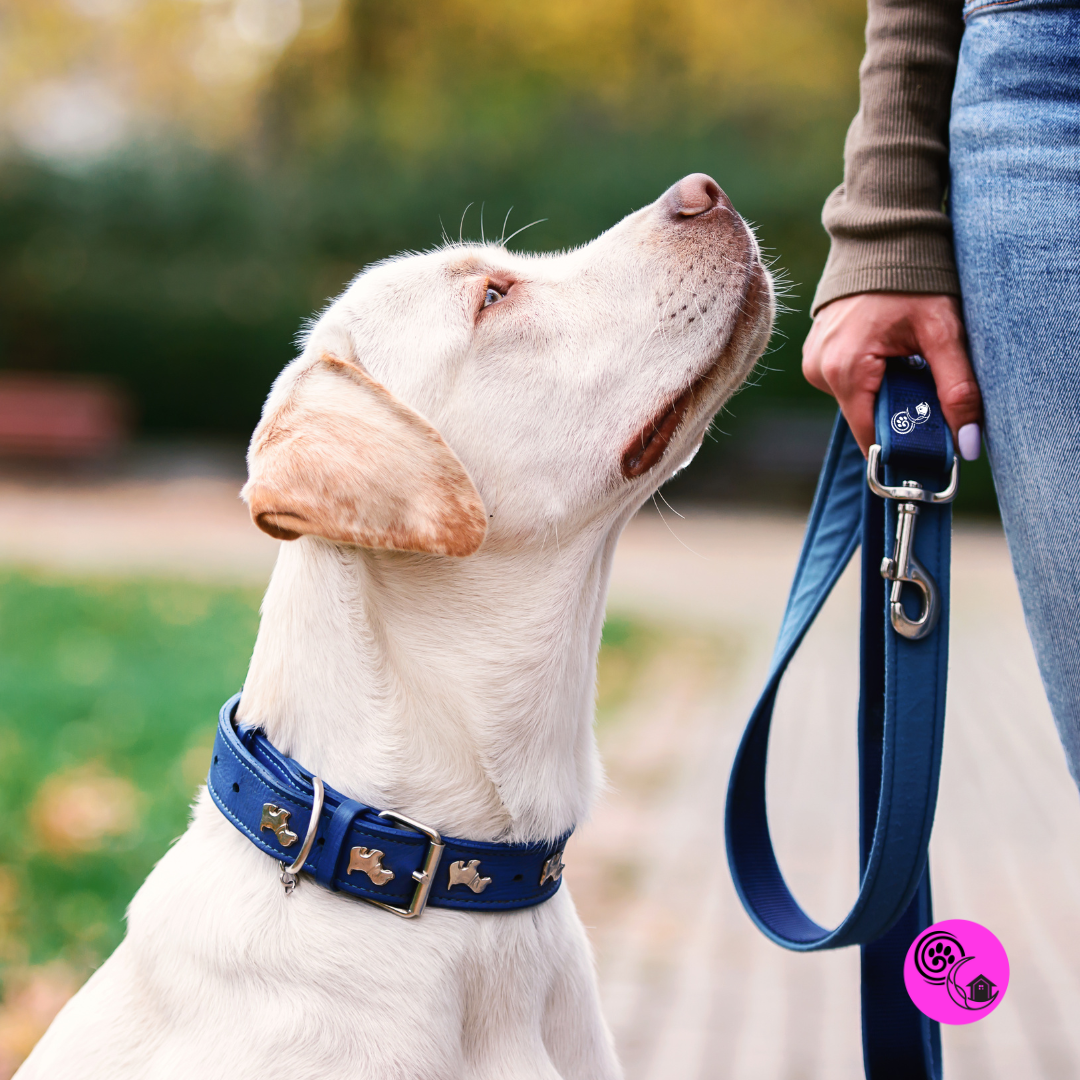
If your dog can’t eat, can’t disengage, or can’t respond, you’re already too close. Back up. Your dog is giving you clear information they don’t have the skills to handle this particular situation right now.
As you work in less stimulating environments, progress is measured by:
Faster recovery
Shorter reactions
Quicker check-ins
More flexibility across environments
Not by how close you can get, or how fast.
In Summary
Selective reactivity isn’t a character flaw.
It’s a skills gap under pressure.
When we stop asking dogs to “just deal with it” or “get used to it” and start teaching them how, real behavior change can happen.
Calm and Confidence are build through thoughtful situation set up and repetitions. They aren’t emotional states that can be enforced or demanded.
It can take some patience, especially if your dog has been practicing these behavior patterns for a while. But the payoff is a dog who can move through the world with more ease, and a human who finally understands what their dog has been trying to say all along.
Dog training has a core message:
“slow down now, or spend twice as long fixing it later.”
Casa Luna Canines is your partner in dog training, human learning. Join us to learn how to be your dog’s best friend using 100% pain and fear free methods. Imagine what it will feel like when your dog chooses to behave well around you, no matter where you are!